Day1ofFabricSeries

Over the next few days, I’ll be sharing contents on Microsoft Fabric tagged #FabricSeries. You’ll see articles and slides across Twitter, LinkedIn, Medium, Hashnode, and SpeakerDeck.
I originally planned fancy YouTube and TikTok videos too… but then I remembered I’m one person, not a production studio. Time said “sit down,” so for now you’re getting my brain in text and slides only.😄
Microsoft Fabric is rapidly becoming one of the most in-demand skills in data.
Why does Fabric have all the hype?
Let’s break it down…
Fabric is a unified analytics platform designed to meet the needs of large scale enterprise from collecting, ingestion, transformation, real-time event routing, and visualization through workloads like Data Engineering, Data Factory, Data Science, Real-Time Intelligence, Data Warehouse, and Databases making it easier for businesses to manage their data without needing separate services from different vendors.
Traditional Method
Remember the days of traditional setups where you switch between Azure Data Factory for pipelines, Synapse for warehousing, and Power BI for visualization? With Fabric, those days are gone, everything into one place. The integration is seamless, and more cost-effective, which explains its rapid enterprise adoption.
Why organizations are choosing Fabric
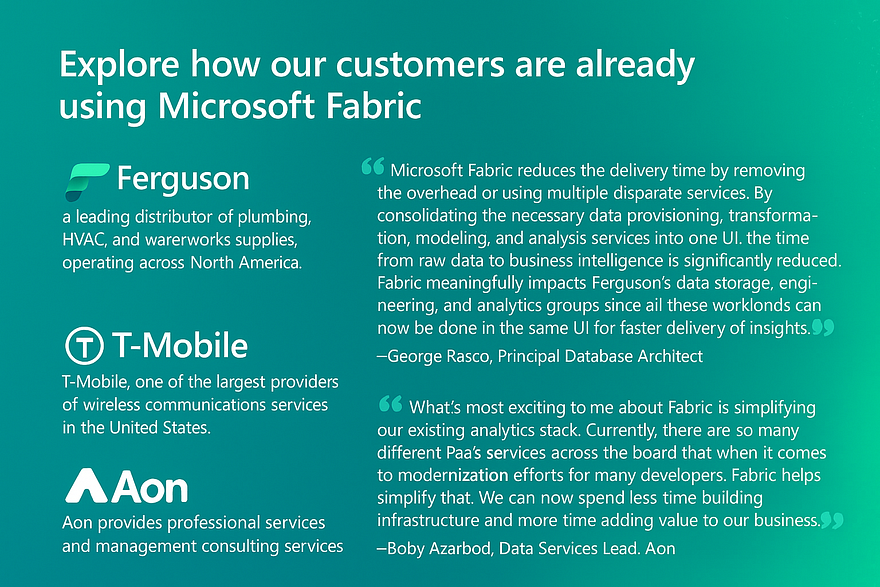
-Modern businesses generate data from everywhere: customer interactions, operational systems, IoT sensors, and third-party platforms. Managing this with multiple disparate services creates data silos, duplicated work, and high costs.
- Data sharing becomes seamless, OneLake minimizes data duplication and movement by virtualizing data using shortcuts, allowing teams to work from a single copy of data across different analytics engines. No more copying datasets between systems. Data is organized, and automatically indexed for discovery, sharing, governance, and compliance.
- It integrates natively with the Microsoft ecosystem (Azure, Power BI, Microsoft 365), so organizations already using these tools get instant value without reworking their infrastructure.
Why learning Fabric matters now
-By learning it, you move beyond SQL queries and visualization. You’ll explore concepts like lakehouse architecture (combining data lakes and warehouses), data pipeline orchestration, semantic modeling, and real-time analytics for streaming data.
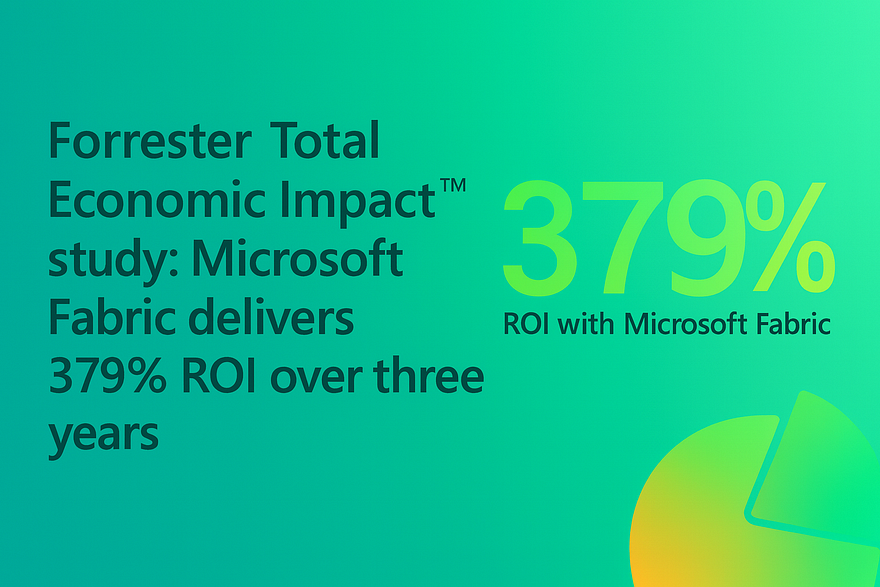
- A Forrester study found that organizations using Fabric achieved 379% ROI over three years, with data engineering productivity increasing by 25% and business analyst output improving by 20%. As more companies adopt Fabric to replace fragmented analytics system this skill gives you a competitive advantage in the job market.
- With Copilot in Microsoft Fabric rolling out across experiences, you can use natural language to build dataflows and pipelines, generate and explain code and functions, create and train machine learning models, and build visuals and reports. This AI integration is lowering the barrier to entry for data work.
- With Microsoft actively investing in Fabric certifications and the platform gaining traction across industries like finance, healthcare, retail, and manufacturing, this is the ideal time to build expertise that recruiters are actively searching for.
That’s a wrap! Thank you for reading. If you found this valuable:
- Connect on Twitter, LinkedIn for more days of FabricSeries
- Read the full articles on Hashnode.
- If you like learning from slide decks, visit Speaker Deck
#FabricSeries #MicrosoftFabric #DataAnalytics #PowerBI #DataEngineering


